
Now, some may consider some of my stuff "indie"...
I can understand that Sinikka's World, Zaxleon, and the other Team Sapphire projects I have created are independent of the major studios. I have personally grown to dislike the term "indie" so much.
The term "indie" for those who somehow don't know, according to Merriam-Webster:
- someone or something that is independent : someone or something that has no formal association with a larger controlling unit.
- especially : an unaffiliated record, movie, or video game production company
The term has been synonymous with movies, video games, music, and animated projects that are mostly independent of the very big studios/game companies/record labels.
It's for that reason that I consider it a marketing buzzword for these projects, just so they become hip and trendy with most people.
Origins in the music industry
Now, the term "indie" goes back to music, specifically in the late 70s, to refer to music released on independent record labels, before growing to have a specific sound because of the creative freedom that bands and artists had from those record labels. Its usage expanded well into the 80s and 90s, going from the punk rock scene to Britpop, and then the American grunge bands started to be associated with the term indie.
This includes Nirvana being considered "indie", which is interesting to think about, given that the band and its songs, such as "Smells Like Teen Spirit," have made Nirvana one of the quintessential rock bands of the 1990s, but it's true.

I think during the 1990s, it became clear that indie was just a marketing term, given how popular the grunge scene was across America, especially with bands like Nirvana and Pearl Jam.
So, in other words, Indie really lost meaning in the music industry in some way or another, and because most of those record labels got chewed up and swallowed up by bigger companies such as Warner Music Group, Universal Music, and Sony Music, to name a few, not to mention the advent of music apps like Napster, iTunes, Pandora, Spotify, and especially SoundCloud or video platforms like YouTube, and even TikTok, where people were distributing music on the internet fairly easily, where many people can listen to what they post on their smartphones and even download them on an MP3 device like an iPod.
One thing I will say is that I am sure some very talented people can make their own music without a record label and still make money via Patreon/Ko-Fi/BuyMeACoffee just by being their own distributor by uploading to the aforementioned platforms; they, by definition, are independent from every record label out there regardless of whether or not they are indie.
That was the music industry, and their history with the term. As for indie films, to be honest, they started long before the music industry. Older than the indie term itself, I may add.
Independent Films are Indie Films

Usually, these films were never gonna be on the level of the major studios in Hollywood; in fact, I believe these studios were super limited in distribution, as those movie studios were also running their own theaters at the time (I am of course talking about the Golden Age of Hollywood btw).
In fact, I believe their movies led to the first waves of B-movies that would've ended up on MST3K or Rifftrax, and even then the major studios' ignorance of copyright renewal didn't save them from becoming public domain to the point of airing on those shows.
When the studio system was on the decline, these independent films were able to find better distribution, as most of these theater chains were let go by the movie studios after the Paramount lawsuit that went on to affect every studio that had a theater chain, leading to gimmicks by paranoid studio executives to keep moviegoers in the theaters rather than having them leave the theaters to watch television at home.
Though some companies were smart enough to start their own TV distribution companies, such as Columbia Pictures creating Screen Gems in the late 40s, along with Walt Disney famously embracing television with shows such as Disneyland and The Mickey Mouse Club.

Then came the point where younger filmmakers were starting to gain more creative freedom across the 60s and 70s.
Leading to names such as Martin Scorsese, Francis Ford Coppola, George Lucas, Stephen Spielberg, Warren Beatty, George A. Romero, Stanley Kubrick, and many others getting their start around this time.
The studios in the late 1960s to the 1970s, giving these younger names more creative control with little-to-no executive meddling, managed to become the "New Hollywood" era.
However, once Spielberg and Lucas got big with both Jaws and Star Wars (retroactively Episode IV: A New Hope) in both 1975 and 1977, respectively, this was when then-modern Hollywood had become more associated with those Blockbusters than whatever the older studio system had created decades prior. Even then, I think the seeds were slowly being planted earlier that same decade, with Coppola making it big with The Godfather in 1972, more or less.

Not saying I don't enjoy some of these films (I have been a Star Wars fan since childhood, especially when it comes to the original trilogy that started with A New Hope in 1977 and ending with Return of the Jedi in 1983 despite growing up around the time the prequels had already come out, with me approaching the age of five when Revenge of the Sith came out in 2005), I'm just saying that this era of Hollywood had managed to reinvent itself so much between the decline that took place in the early-to-mid 1950s, all the way to the year 1980.
In fact, the 80s became such a huge decade for movies to the point where I am sure there isn't a single person who was born after 1980 who's never heard of Star Wars, Jaws, ET, Back to the Future, Ghostbusters, Indiana Jones, and many other film franchises from that decade that single-handedly defined it.
The rise of Indie Movies
I will say, as the 90s happened, there was gonna be more independent films in a different way from how it happened decades prior.
While big names such as Steven Spielberg were out there working on high-budget movies such as Jurassic Park, as well as Disney spending their entire renaissance period making iconic animated hits such as Beauty and the Beast, Aladdin, and The Lion King, with James Cameron making Terminator 2: Judgment Day before making the highest-grossing film that decade, 1997's Titanic, a new wave of filmmakers came onto the scene in the late 80s making lower-budget films independent of the major Hollywood studios.
Joel and Ethan Coen created films such as Raising Arizona (1987), Fargo (1996), and The Big Lebowski (1998).
Kevin Smith created movies such as Clerks (1994) with a budget as low as $28,000, and probably the biggest name to rise in the 90s from being independent would be Quentin Tarantino, making it huge with hits such as Reservoir Dogs (1992) and especially Pulp Fiction (1994).
While not every independent film did well in the box office, they were certainly a change of pace compared to more high-budget films. In fact, I think the films I mentioned, when they were at their most successful both in theaters and with their cult following thanks to distribution via DVD and VHS, defined cinema in the 90s just as much as the bigger-budget films from the major studios.
The indie-film scene continued well into the 2000s; in fact, I remember first hearing the term "indie" from trying to scroll through Comcast On Demand when that one On Demand show advertised having some of them on that service. But honestly, I think around the 2000s, while films like Donnie Darko, Juno, and Eternal Sunshine of the Spotless Mind were coming out, I feel as if the independent movies were starting to lose the indie meaning just as much as the music industry had over the years.
Directors like Christopher Nolan started making films such as Momento in 2000; he got big when he started directing all three movies in the Dark Knight trilogy, and if you managed to find yourself directing Batman movies for Warner Bros. and DC, that's when you're not an indie director anymore. Granted, indie films tried to keep their meaning and did a better job than the music industry did with indie music.
There are still some independent/indie movies coming out today, but I feel as if history repeated itself twice. One day those up-and-coming independent filmmakers create a box office success despite not being a part of the current Hollywood system, whatever form it's currently in; the next minute, they become a highly well-known director with many hits in their career, with most of them being high in both budget and box-office returns.
It happened when George Lucas's film serial and samurai movie-inspired science-fiction film made him a household name in 1977. It happened again when Christopher Nolan started directing Batman movies in 2005.
It only makes me wonder what the future holds for someone like Kane Parsons.
Indie Games, those things...
Because I know about the gaming industry's history the most, this is gonna be very long, especially with me also knowing about how computers played a role in this since the 70s.
How home computers paved the way for the earliest independent games
Ever since people started getting access to home computers such as the Apple II, TRS-80, and Commodore PET in 1977, they started to learn how to program their own games on those computers, saving them to audio cassettes and 5.25in floppy disks.

Of course, video games had been around for quite some time during the 70s, since the success of Pong in 1972, with Magnavox releasing the Odyssey, the very first game console that same year; it was pretty much the formative years of both gaming and home computers as the technology for transistors was getting better over time.
Then again, the three computers I mentioned came out the same year Atari released the Atari Video Computer System (better known as the Atari 2600), which made cartridge gaming popular despite not being the first console to feature cartridges (the Odyssey technically had them, doubling as the only way to power on the system).

As the early consoles such as the Atari 2600 and Intellivision were gaining traction, computers such as the Commodore VIC-20 and Tandy's Color Computers were starting to appear and were looking better than their predecessors, with better hardware and easier setups.
I do think home computers were what led to the eventual rise of indie gaming; not that the term was gonna be used for video games until at least the 2000s or 2010s. I still think programming on a computer was the easiest access and way of making your own games in the early 1980s.
Nintendo's licensing and its consequences
As time went on, when the American video game industry crashed, with Atari being split into two separate companies, with Warner Communications selling Atari's hardware business being bought by Commodore founder Jack Tramiel, and Nintendo picking up the pieces of the industry by overhauling their then two-year-old Famicom and turning it into what we now know as the NES, bringing in games such as Excitebike, Gyromite, Duck Hunt, and Super Mario Bros., the games on the home computers such as the IBM PC and all of its clones, the Commodore 64, the Amiga computers, early Macs, and other platforms were doing the same thing as the NES, especially in Europe.

The main issue with putting a game on the NES at the time was licensing; Atari never had any licensing rules like the NES would have later on, with the Atari 2600's games having cover art that could look really good, but at the end of the day having graphics that look nothing as good, and while some games would be considered classics to some people, that didn't stop the industry from crashing and having some Atari games in the clearance section at a Toys R Us.
NES games early on had black boxes that had artwork that looked closer to the actual games (not always perfect, but were at the very least not misleading like the Atari/Intellivision/ColecoVision covers before it). But it was dropped once Nintendo became more comfortable with having whatever artwork was on the cover, as long it was made clear they had their logo on the cover, along with a "Seal of Quality".

Another thing was that Nintendo restricted publishers from using any mapper chips unless they were provided by Nintendo themselves, along with the games being limited to 4 per release, and certain games would have to be censored by removing any religious, swearing, or adult themes, as the NES was marketed to children. That held back certain games from releasing outside Japan, and even if they were to release games, they would have to be censored, accommodate Nintendo's mappers if any of the publisher's mappers allowed for better graphics and sound that wouldn't have been possible on Nintendo's own mappers, or wait their turn.
Nintendo themselves followed these rules (Devil's World would've been a launch title if those religious rules were never put in place), Konami literally created Ultra Games to release more games (Konami published games such as Castlevania and Contra on their own label, while Ultra Games handled the Teenage Mutant Ninja Turtles and the NES version of the first Metal Gear game). Though the Famicom versions of certain games by Konami had to lose a bit of their better graphics when getting an international NES release.

Then there are the ones that weren't licensed, such as Tengen (Atari), Color Dreams/Wisdom Tree, Camerica, etc.
Then again, the Seal of Quality that Nintendo was pushing on any company willing to make games on their platform had proven that this Seal of Quality might not mean something after all; in fact, a certain Angry Video Game Nerd wouldn't be around if that wasn't the case with a lot of NES games (Dr. Jekyll and Mr. Hyde, many games from LJN, and Karate Champ)
So again, while I do like the NES era of gaming, I will say that making games on DOS, Amiga, and Macintosh might've been a blessing in disguise if nobody wanted to go through with the nonsense Nintendo was making many game publishers have to go through at the time.
That didn't stop Sierra On-Line from porting their games to the NES, such as King's Quest V.
Better Hardware, 16-Bit, and the rise of shareware
In the 90s, hardware was getting better on every end, such as on the PCs when VGA made EGA and especially CGA look powerless by comparison, along with the rise of the AdLib and SoundBlaster cards for DOS, and Apple started to put color on their Macintosh computers. Then there were the 16-bit consoles, such as Sega releasing the Sega Genesis/Mega Drive and Nintendo with the Super Famicom/Super NES.
This allowed every computer and console to improve, and the game that truly showed how good MS-DOS was at gaming was when iD Software released Commander Keen in the 90s, but their biggest hits were both Wolfenstein 3D and especially Doom.
Then there were the Mac computers, switching from Motorola to PowerPC processors, leading to more... well... power; they were able to have better games as well (yes, Mac gaming was a thing), such as 1994's Marathon from Bungie.
While there wasn't that much of an independent gaming scene yet, that was gonna change with the advent of certain engines and programs that were easier to use, allowing a better experience for potential game devs, but I think the closest to that was the shareware games that were coming out at the time.

Commander Keen, as previously mentioned, was iD Software's shareware game coming out of a game that was originally a port of Super Mario Bros. 3 that Nintendo ultimately rejected. Epic Games' Jazz Jackrabbit game became their most well-known creation before Unreal (yes, that was what the game engine was named after, btw), Unreal Tournament, and Fortnite overtook that reputation by a long shot. The Duke Nukem games from Apogee and 3D Realms were a part of the shareware scene.
It was pretty much the second step between early home computers being the earliest known way of programming your own video games separate from the mainstream, and the games that came later, ones that would come in the late 90s and early 2000s.
The rise of CD-ROM, the internet, and Flash Games
There was the rise of CD-ROM consoles coming out, and while there were add-ons that came before, such as the Sega CD and TurboGrafx CD, the early CD consoles were somewhat of a step in the next direction, such as the 3DO. But the true shot in the arm when it came to CD-based consoles was definitely Sony releasing the PlayStation in 1995.


The CD-ROM technology was something that computers already had during the 90s, but around the same time that Sony unleashed the first PlayStation, Microsoft came out with Windows 95, being a suitable replacement for prior versions of Windows that were just GUI operating environments for DOS, as well as DOS itself, more or less.
This was also around the time that DirectX and OpenGL started to pop up, along with the first GPUs from 3Dfx, ATI, and nVidia, allowing for 3D graphics to appear on PCs.
Another thing that happened was the popularization of the internet; the information superhighway was gonna be a league of its own when it came to gaming as a whole.
Not to mention the rise of a plugin created by a company named Futurewave, named FutureSplash Animator, not only becoming the one animation tool that animators needed to post on the internet (more on that later), but also making interactivity on the internet easier to the point where browser-based games started to become possible thanks to the plugin having ActionScript code embedded into the animations and websites that heavily relied on the technology.

Of course, Macromedia would buy Futurewave, and FutureSplash would be renamed to the more familiar Flash that everyone knows it for.
Meanwhile, because the Internet went from this novelty that only a few people had using a dial-up connection to this big thing that essentially took over the world and became completely accepted into society, it wouldn't be such a bad idea to have games on the internet, and that's what many early Flash-based websites were doing.
Names as big as Microsoft, AOL, Yahoo, Nickelodeon, Disney, Cartoon Network, Warner Bros., PBS, Fox, MTV, and many others implemented the technology during the late 90s and early 2000s for browsers.
And while big companies were making Flash games and movies based on their intellectual properties up the wazoo, the same can be said for someone who can buy a copy of Macromedia Flash off the shelf (or pirate it if they weren't gonna pay) and make their own games with it using some ActionScript code and some graphics that would look seamless on any resolution since Flash uses vector-based graphics rather than raster-based graphics.
Sites like Newgrounds, Flash.Net, Pogo, Ezone, AddictingGames, CoolMathGames, and many others were on the rise when it came to Flash-based gaming, while major PC and Console releases were coming out on the consoles.


Now Valve became a huge company thanks to the success of Half-Life, using the modified Quake engine that would go on to be called GoldSrc. The game would also have several mods carried over from Quake that Valve would own the rights to, such as the Team Fortress mod, while Half-Life managed to get some of its own, such as the Counter-Strike mod; both Team Fortress and Counter-Strike became major franchises for Valve.
The 2000s
As the new millennium began, people not only became less worried about the Y2K bug, but also continued to witness the growth the internet was experiencing despite the market crash happening that year.
The PlayStation 1 and Nintendo 64 would give way to the PlayStation 2 and GameCube, respectively, while Microsoft would enter the gaming scene with the Xbox around this time.

2001, the PS2 would get games such as Final Fantasy X, Metal Gear Solid 2, Jak and Daxter, with the big hit that year being Grand Theft Auto III, the breakout title for Rockstar's GTA series that had previously been a top-down, arcade-like series of games, with GTA 3 being a huge graphical leap for the franchise.
Nintendo's new console would receive games such as Luigi's Mansion, as well as Super Smash Bros. Melee, the sequel to 1999's Super Smash Bros., and Sega, of all companies, releasing Super Monkey Ball, proving that their rivalry with Nintendo was over, as they had already discontinued the Dreamcast earlier that year.
Then there is the Xbox, a console created by the Windows guys, sporting PC specs down to the NVIDIA and Intel processors. They were able to get Bungie's Halo onto their console, putting the Xbox on the map as early as launch despite Halo starting out as a game for the Mac platform of all places.
The early 2000s also became the big decade for popular Flash games, and those were mainly popular because they were all on the internet, and even the lower-end computers only made for people to use the internet could still run these games as long as they had an internet connection, whether it was their slow dial-up modems or this newfangled connection type known as broadband or even this wireless connection called Wi-Fi.
Flash games were perfect for the kind of computers that were not capable of anything beyond playing something like Solitaire, Minesweeper, or 3D Pinball Space Cadet.
As the internet speeds were getting faster, PC games were still reliant on physical media, with patches only being available through the publishers' website, and Gabe Newell was sick of it.
This led to the creation of Steam, launching in 2003 with Valve's own games at the time being the very first games to appear on the service (Half-Life appearing alongside its two expansion packs, Opposing Force and Blue Shift, mods-turned-franchises such as Team Fortress Classic, Counter-Strike 1.6, as well as others such as Day of Defeat and Deathmatch Classic... also Ricochet if anyone is into that lol).

So games got a new platform, but Steam wouldn't really take off for another year. Meanwhile, some Flash games managed to get console releases, such as Alien Hominid appearing on PlayStation 2, which, as far as I am concerned, was the first time something like that got a console release in a pre-digital storefront era, which is kind of rare for this sort of thing.

Back to Steam, Half-Life 2 was pretty much most people's first time hearing about it because you had to install Steam before installing Half-Life 2, along with creating an account for that game.

While some people did find that annoying, even thinking that Steam was just some bloatware that came with Half-Life 2, at the end of the day, people realized that Steam was the one way you were able to play PC games online through multiplayer, as opposed to WON (World Opponent Network), as that was what Valve games used before Steam.
Eventually, people warmed up to Steam, as it became necessary for game updates; it was where you were able to buy games and instantly install them onto your computer without needing a disc; it was where a lot of mods
Console Storefronts and how Xbox truly cemented it
As for the consoles when it came to the internet, they started using it way before you even realized, as AOL got its start with an early predecessor to the modern gaming digital storefront with GameLine on the Atari 2600, where you hooked up a proprietary modem and a storage cartridge to the console, getting access to games that were listed on that service, but since those games were very expensive and were available for a limited time, it didn't catch on (not helping matters was that GameLine came out around the time the industry was crashing). Still, GameLine was 20 years ahead of Steam's launch and even Xbox Live, for that matter.
Nintendo also attempted early versions of online gaming, albeit only in Japan with the Famicom Network System (1988-1991) and the Super Famicom's Satellaview (1995-2000), both of which predated the eShop on 3DS, Wii U and Switch, and even the Nintendo DSi Shop and Wii Shop Channel, as well as Nintendo Wi-Fi Connection.


The Famicom Network System, however, came too early for anyone to use, beyond betting on horse racing and some other stuff.
The Satellaview's issue was that it was released pretty late into the Super Famicom's lifespan, as the Nintendo 64 came out a year after its launch in Japan.

Sega had its own equivalent in the 90s known as Sega Channel, as it was a collaboration between Sega, Time Warner Cable, and TCI, the latter two being cable companies that dominated the industry at the time. You needed an adapter cartridge connected to your cable box; the channel began broadcasting in 1994, and it arrived pretty late in the Genesis's lifespan, as 1994 was the year the Sega Saturn was already released in Japan.
Sega would end operations with the Sega Channel in 1998, as the Sega Genesis would be discontinued around that time, and with the rise of the Internet, they could try again with the Sega Saturn using the Sega Saturn's Net Link, which ultimately became a failure not long after Sega called it quits with the Saturn, and the Dreamcast gained its own online service: SegaNet.

SegaNet was able to provide online multiplayer on the Dreamcast at a time when that wasn't a thing on most consoles just yet. But because the Dreamcast was discontinued in 2001, thanks to the success of the PlayStation 2 and its failure in Japan, SegaNet truly failed to catch on despite being one step closer to the modern networking services we have today.

But as the PS2 gained an online hardware adapter that also provided it with a hard drive connection, it was able to play multiplayer games via Ethernet, but it didn't have a unified online service unlike the Xbox with Xbox Live, so it relied on third-party servers (online games such as MMORPGs like Final Fantasy XI used SquareSoft's own PlayOnline service, and shooters like Star Wars Battlefront II used GameSpy)

The GameCube was never known for using the internet despite Nintendo's previous attempts over in Japan; there was an Ethernet add-on for it, however, that allowed it to connect to the internet, but barely any games supported it, Phantasy Star Online was the most notable game that required the add-on, while Mario Kart Double Dash and Kirby Air Ride used it for LAN connections. Still, it wouldn't be the last time Nintendo would revisit multiplayer games for certain titles, especially with Mario Kart in particular being a well-known game when it came to multiplayer Nintendo games.

Then there was the original Xbox, with Microsoft having spent the previous decade defining the early internet, especially as Windows 95 became a game-changer for the company as a whole. Along with being used as a primary OS when the Internet was just getting started, it made sense that if Microsoft was gonna enter the gaming industry, they knew exactly what they were doing when it came to giving their new console some sort of internet connectivity.
So once Xbox Live happened, it was taking what SegaNet would've been able to do had Sega not discontinued the Dreamcast, and managed to put online gaming on the map, the true shot in the arm that online console gaming needed when it came to multiplayer. It was universally needed for all games that utilized the internet in some way.
Computers were using the internet on the regular by this time for most tasks, including online multiplayer and gaming as a whole, but consoles were just starting to catch up.
Halo 2 became the most popular game for the Xbox Live service's multiplayer, and just as much as the first Halo put the Xbox brand as a whole on the map, so did Halo 2 with Xbox Live.
Then came Xbox Live Arcade, where games were able to be distributed online for the Xbox. XBLA was offered on a disc sent through the mail, which contained a free version of Ms. Pac-Man. Not bad for the start of a digital storefront.
The PS3, the Wii, and the 360
So, you're probably wondering why I talked about the history of online storefronts on consoles; this was the beginning of the modern indie scene for gaming.
If Xbox Live was big on the original Xbox, then the Xbox 360 was gonna make it even bigger.
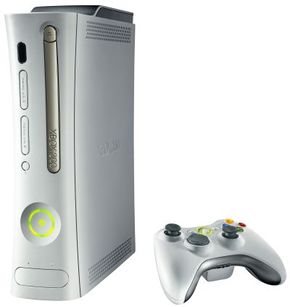
The launch of the Xbox 360 led to Microsoft bringing back the Xbox Live Arcade, and like how the original Arcade had Ms. Pac-Man, the 360 had a free copy of Hexic HD, but the big catch was that Xbox Live Arcade required a hard drive, and while that wasn't a problem on the original Xbox since they had a hard drive, it was a problem with certain 360 models that didn't have a hard drive.

Of course, since Microsoft was spending time improving Xbox Live and their digital storefront for the 360, Sony looked over the wall and thought, "Hmm... what if for PlayStation 3, we make our own Xbox Live..."

This was the time when Sony was preparing for the PlayStation 3's launch, and while it was a disaster for Sony early on- being very expensive, having flawed PS2 backwards compatibility, the Cell processor being hard to develop for, flash card readers that nobody really needed for a video game console, and all of that stuff- the PS3, however, did have its advantages even at launch.
 Sony finally created a proper competitor to Xbox Live on their PlayStation systems. The birth of PlayStation Network, along with the birth of the PlayStation Store and multiplayer on PSN.
Nintendo had implemented online connections on the Nintendo DS, which of course became the full replacement for the Game Boy line they had been making for the last 15 years before releasing the DS.
This started with the Nintendo DS being able to play multiplayer games on Mario Kart DS, the second time Nintendo ever did it with a Mario Kart game using Nintendo Wi-Fi Connection.

So, if Nintendo was able to implement wireless connectivity to their handheld, they could put the entire internet on their next console to follow the GameCube.

This was when the Wii was coming in, while not much of a hardware upgrade from the GameCube, as much as previous consoles were after the last (be honest, what could the Wii do that the GameCube couldn't, minus certain features).
The Wii was gonna be a console that Nintendo wanted people to have powered on all the time by introducing the concept of "channels" for their main menu, and this included the Disc channel for games on the Wii on disc or backwards compatibility for the GameCube games, the Mii Channel, Photo Channel, and several channels that used an internet connection.
The News Channel, The Forecast Channel, and probably the most important one for our purposes, The Wii Shop Channel.
The News and Forecast Channels relied on WiiConnect24, while the Wii Shop Channel allowed people to download more channels to their Wii, along with having the Virtual Console service offer games from previous generations downloaded to their Wii, such as NES, SNES, N64, and even Sega Genesis being available at launch.
You were able to have Nintendo's past and present all available on one console for the first time.

The Wii Shop Channel and Nintendo Wi-Fi Connection were both Nintendo's first time truly mastering the power of the Internet with their consoles.
Things would truly change once Nintendo allowed for games to be downloadable on the Wii Shop Channel. Not just old games available on the Virtual Console, not just Wii Channels such as the Internet Channel, Everybody Votes Channel, Check Mii Out Channel, and the Nintendo Channels.

But original titles that are only available on the Wii Shop Channel as part of the section that would be known as WiiWare, launching on May 12th, 2008.
Nintendo itself had published its own games on the service in North America, such as the Art Style games, MaBoShi: The Three Shape Arcade, Dr. Mario Online RX, Magnetica Twist, My Pokemon Ranch, along with several companies creating games for the service, such as Hudson Soft (Alien Crush Returns, Bomberman Blast, etc.), and Telltale Games releasing the 5-episode collaboration between them and Homestar Runner: Strong Bad's Cool Game For Attractive People, Capcom even made a ninth installment of the Classic Mega Man series, with that installment reverting back to the NES style in that entry.
But it also became a new place for some titles that weren't made by any mainstream Japanese developers or even mainstream American or European devs, for that matter.
This is where the independents came in, where games such as World of Goo, Bit Boy, and the first three Bit.Trip games all in 2008 and 2009.
Of course, the Wii wasn't the only platform, given some indie games on its storefront. The PlayStation Store beat the Wii Shop Channel by several months, with Everyday Shooter releasing on the store on October 11th, 2007, and even then, the Xbox 360 had indie games before either the PS3 or Wii were even released, with the Xbox 360 getting Mutant Storm Reloaded, which was released on November 22nd, 2005.
But this rise in indie games on consoles wouldn't be possible without the PC beating any of them to the punch.
2004 was a huge year for gaming as a whole, with Half-Life 2, Grand Theft Auto: San Andreas, Metal Gear Solid 3, and many other major hits coming out that year.
But Indie games had a special place in 2004 as well: the Xbox version of Alien Hominid, as mentioned earlier, along with Starscape, Gish, Jumper, Sandbox of God, and Cave Story, all releasing that year alone.
But let's go back to where we currently are... in 2010.
The 2010s explosions


Indie Animation and how it made me hate the terminology.
Oh god, so I talked about the origins of the indie term from its music industry roots, how some filmmakers went from making indie movies to mainstream movies, and how the block game and the bean game were bought out by the Windows guys and the Unreal guys, respectively, and now comes the point where I am gonna potentially piss off some people when it comes to the status of indie animation and why certain things aren't indie.

So, while there were some independent animations back in the 40s-60s, I already mentioned UPA and how it influenced my art style in the Team Sapphire Blog. But it was technically an independent studio from the other animation studios, and they weren't really forced to do much by major studio executives at Columbia Pictures, minus the Fox and Crow cartoons as a continuation of what the Screen Gems Animation Studios had created before closing.
Other notable ones during the golden age of Hollywood were Leon Schlesinger Productions, technically being one, but because they primarily made Looney Tunes and Merrie Melodies for Warner Bros., I can't really say they were independent, especially when you realize that Leon Schlesinger sold his studio to Warner Bros. and had Eddie Seltzer take over his old position when he retired in 1944.

I could start in the 90s when animation on the internet was made possible, but I like to believe that there was a start way before, and since I am bringing up Looney Tunes, I may as well bring up another studio that animated Looney Tunes, though the bad news is that they made the cartoons that weren't nearly as well-received as the ones from good ole Termite Terrace.
Another studio, I guess, that can be considered independent was DePatie-Freleng Enterprises, founded by David H. DePatie and Friz Freleng, Friz having a career dating back to Walt Disney's Laugh-O-Grams Studio, founded all the way back in 1921, before going bankrupt in 1923, before Walt moved to LA to get closer to his brother and founded the current Walt Disney Company. Friz, of course, became super well-known for the Looney Tunes he directed, creating characters such as Porky Pig and Sylvester the Cat, just to name a few.

When DFE made their Looney Tunes, those cartoons were not the studio's biggest priority anymore because of other stuff such as The Pink Panther cartoons, and even after that, DePatie-Freleng made various Dr. Seuss specials, returning to Looney Tunes a couple of times, and doing some original projects before Marvel came into the picture

There was also Ralph Bakshi and how he became the animation renegade, creating X-rated animated movies such as Fritz the Cat in 1972, stuff relatively unheard of before that, and then there is other films such as Heavy Traffic (1973), Wizards (1977), and his version of Lord of the Rings in 1978.
He also made American Pop (1981) and Fire and Ice (1983) before temporarily retiring afterward. What brought Ralph back from retirement was Mighty Mouse: The New Adventures, a TV show that differed from many cartoons in the 80s, since most were made to sell toys; luckily, the public perception of that was gonna soon change, as it did for projects from the same year, such as DuckTales.
There are many animators from independent studios, such as Don Bluth, Gene Deitch, Fred Wolf, Will Vinton, Eli Noyes, and many others I could name-drop, so pre-1990 independent animation is a bit hard to nail down.

Technically, stuff from the very animation festivals, notably Spike and Mike's, was where a bunch of big names found it, and is considered independent.
A lot of those big names such as Danny Antonucci (Ed, Edd n Eddy) with Lupo the Butcher, John A. Davis and Keith Alcorn (Jimmy Neutron) with Nanna & Lil Puss Puss, Craig McCracken (The Powerpuff Girls) with Whoopass Stew and No Neck Joe, Matt Stone and Trey Parker (South Park) with The Spirit of Christmas, Mike Judge (Beavis and Butthead and King of the Hill) with his early Beavis and Butthead shorts, and even Pixar, had their short films at the festival prior to them creating Toy Story.
All of those names went on to bigger and better things.
The next step in the timeline moved from cartoons made as glorified toy commercials to the creative freedom the 90s offered would come in 1989.
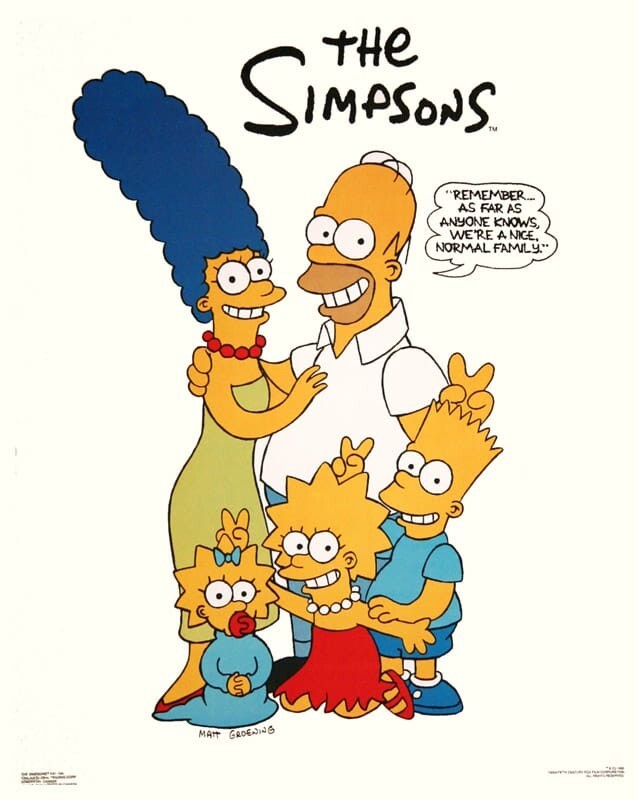
But the big shot in the arm came in 1991 when Nickelodeon, the kids' network that was popular for hits like Double Dare, launched three original cartoons that were branded as "Nicktoons", and that was when they premiered three shows in this particular order: Jim Jinkens' Doug, Klasky Csupo's Rugrats, and John K's Ren and Stimpy.
Of course, after that, cartoons stopped being known for their toy-based nature that had affected the TV animation landscape since the FCC deregulated a lot of children's television guidelines, and since most cartoons were made for children, minus some animated sitcoms, and even then, I use the word "minus" very loosely for those pre-Simpsons animated sitcoms.
Anyway, cartoons on Nickelodeon, Fox, and many others were starting to move away from the toy cartoons of yesteryear in the 90s and into more creator-driven stuff that could air. Even Hanna-Barbera, now owned by the CNN guy, Ted Turner, and under the leadership of Fred Seibert of MTV fame, was now making cartoons that were transitioning the animation studio away from its well-known assembly-line-driven cartoons that had been the studio's bread and butter for years in favor of creator-driven cartoons to air on mostly Turner's networks, but especially Cartoon Network.
Nickelodeon had the Nicktoons that helped make the 1990s Nickelodeon's own decade; Cartoon Network, while brief, saw Hanna-Barbera's comeback with the Cartoon Cartoons (Dexter's Lab, Johnny Bravo, Cow and Chicken, The Powerpuff Girls); and Disney was becoming iconic with its TV cartoons as well.
Web Animation origins
Meanwhile, the internet was becoming a brand new place for animation, and like I said earlier about how the advent of Flash paved the way for independently made games on the early internet, the same can be said about early internet animation.
Newgrounds became just as much of a big place for early online animation made by these young creators as the early browser games made by young developers. Other websites such as Albino Blacksheep and AtomFilms were just as big at showing off early Flash animations by young creators.
Then again, the young creators didn't always just use those platforms for this content; they also self-hosted their Flash cartoons. Sites such as Homestar Runner were the prime example of self-hosted Flash content.
Even then, the big corporations had a hold on Flash and even made their own cartoons on it, not just for web animation, but on television as well, thanks to many turning Flash into an industry standard.
YouTube vs. Newgrounds
Now, as time went on, these Flash cartoons were early showcases of online creativity, but what if a new platform would come to finally put young creators on the map? What if you were just filming video that could've required a QuickTime Player or Windows Media Player add-on for your browser, or the painstaking task of embedding it into Flash, if this platform were to theoretically not happen? In 2005, that platform launched. It was called YouTube.

The big problem that YouTube had during the early years was the video quality, as many people usually linked higher-quality versions of the videos in the descriptions of many videos, and with the animators on Newgrounds in particular, the video quality on YouTube was obviously inferior to the quality on Newgrounds, as Newgrounds allowed you to directly upload the .swf files as opposed to converting them into video files (MP4, AVI, etc.)
Though the quality on YouTube has, of course, gotten better to the point of becoming more acceptable to animators as the platform was able to support HD and 4K as time went on. Newgrounds still remains an alternative for animators, which makes sense given that Newgrounds had a ten-year head start on YouTube.
Still, more independent animators have put their creations on the internet, such as Zach Hadel, Michael Cusack, Harry Partridge, Max Gilardi, and many others have put their names out there in the 2010s.
Of course, there were the story animators such as Jaiden Animations and TheOdd1sOut to name a few, retelling anecdotes into animations.
The trend with object shows started with Battle For Dream Island in 2010 with twins Michael and Cary Huang, and continued the following year with Adam Katz creating Inanimate Insanity. All of them were pretty young when creating their respective series.
The origins of Glitch Productions
In 2011, the origins of what is considered the biggest name in what people now call "indie animation" took place with another person who was relatively young at the time: Luke Lerdwichagul was creating a rough Super Mario 64 Machinima called "Super Mario 64 Bloopers: The Cake is a Lie". Super Mario 64 Machinimas were nothing new on YouTube by 2011, but Luke would become popular within the SM64 Bloopers community.
The video was uploaded to Luke's channel: supermarioglitchy4, a channel name that got shortened to SMG4 within the next couple of years.

SMG4 was notable for being a channel that stuck to its Machinima roots while also using Garry's Mod at the same time, and regardless of how I feel about it, those videos earned enough views to the point where it became the biggest channel in the SM64 Bloopers community.
Around 2017, Kevin, Luke's brother, started getting involved, and they started "Glitchy Boy Productions", the "Glitchy" part coming from the supermarioglitchy4 name.
New characters in SMG4, ones that were divisive amongst fans, would start appearing, such as Meggy and Tari. Both characters would become popular enough to get their own spin-offs later on down the line.
Tari was a character that debuted in the SMG4 video "Mario The Ultimate Gamer", this was the point where the character was new to the audience that had been watching SMG4 for some time. There was a little more to Tari than people even realized...
2019
This was the year I could point to as the very beginning of the current Indie Animation landscape.
I already mentioned how Tari wasn't just gonna be an SMG4 character, but it got to the point where Kevin and Luke teased a trailer for something Tari-related at the end of the annual War of the Fat Italians on the SMG4 channel, and this was when the character was still very brand new at the time. This was the teaser for Meta Runner, a series created by what is now known as Glitch Productions, and their first true series outside of SMG4. The series would have its first season premiere on July 25th, 2019, and have 10 episodes uploaded from then until October 10th, 2019. Glitch having their first animated series wasn't the only thing that happened during that year either btw. About two weeks after Meta Runner concluded its first season, Vivienne Medrano (VivziePop) released two pilots that year for series she would eventually work on: Hazbin Hotel and Helluva Boss. Vivienne was previously known for her webcomic Zoophobia, but these two animations take place in her own version of hell and became huge in both October and November 2019, respectively.
This was only the beginning of something that would explode, and it all started with a gamer girl with a prosthetic arm going inside various video games, and two pilots that took place in hell. The beginning of indieNot long before the beginning of Meta Runner season 2, Glitch decided to create their own YouTube channel dedicated to their work, separating it from the SMG4 channel, which was still going on during this time. They even included all of the first season episodes of Meta Runner within a single upload, along with a pilot to a possible spin-off featuring the character Theo, Ultra-Jump Mania, which became, to this day, the only Glitch pilot that failed. Regardless, one failed pilot wasn't enough to hurt the rise of a changing medium within the internet. Glitch followed up Meta Runner with the aforementioned second season premiering over a year after the first season had ended. The animation had improved in the second season, while still heavily reliant on the motion capture that the first season used. Of course, if Meta Runner worked, what if we got another fairly popular SMG4 character their own series? Meanwhile, Helluva Boss would be coming first out of Vivziepop's pilots to get a first season out there, two weeks after Meta Runner started its second season, one year after the Hazbin pilot, and on Halloween 2020, no less. The first season of Helluva Boss would last 1 year to the day the season premiered, Halloween 2021, and yes, I am aware that there was a holdover episode that didn't come out until 2023, but nonetheless, Helluva Boss became a proper series.
Back to Glitch, you know how I said another SMG4 character was gonna get their own series? That was gonna be Meggy Spletzer. Meggy got her own series in the form of Sunset Paradise. Unlike Meta Runner, where Tari from that series was completely disconnected from her SMG4 counterpart, along with her continuity consequently also being completely disconnected as well. Sunset Paradise follows the same Meggy from SMG4, albeit in a new environment. Sunset Paradise premiered on March 26th, 2021, ultimately becoming their second animated series. Glitch, of course, decided to stop taking SMG4 characters to make spin-off series out of them in favor of greenlighting original series that had no connections to SMG4 whatsoever, minus the Glitch association. While Meggy does have her fans, this series was solely meant for the SMG4 fans and not for newer viewers who were not SMG4 fans. To me, this felt like Glitch was trying to strike lightning twice by taking an SMG4 character and giving them their own series because it worked so well with Meta Runner. Later, on October 29th, 2021, the first series from Glitch to not be a spin-off of a pre-existing SMG4 character, and to be created by Kevin and Luke, came in the form of a pilot. That series was Murder Drones, created by Liam Vickers. Now, these weird robot characters certainly looked nothing like anything from SMG4 whatsoever, and this became a successful series. A step in the right direction, with Glitch getting out of their SMG4 comfort zone (which they took pretty slowly for some time) and realizing that maybe greenlighting original projects from creators would be the strategy they should take, and it It It really became something that they followed since then.
Glitch had three series, Vivziepop with one series and one pilot by the end of 2021, both of them becoming the most important names in Indie Animation. As for Helluva Boss, the second season came out on July 20th, 2022. It managed to last even longer than the first season, with one holdover from Season 1 coming out. Season 2 ended on December 21st, 2024. 2 Days after the second season of Helluva Boss came out, Meta Runner's third and final season premiered on July 22nd. The series was Glitch's first animated series, and was gonna be ending very soon, ending an era for Glitch Productions. The season and the series as a whole ended on September 9th, 2022, marking the end of Meta Runner and the beginning for Glitch Productions. Meta Runner represented a time when Glitch was just getting started, when the SMG4 roots were still very present, and when Tari would go down as the first sign of life when it came to their animation presence. The Tari character would continue to be used in SMG4 until the very end, with her voice actress Celeste Notley-Smith getting replaced later on down the line, sparking controversy between her and Glitch. A statement I want to addressNow, I am not gonna really talk about any controversy that Glitch or VivziePop got into because it can get really messy. Glitch, through Kevin himself, along with Jasmine Yang, were two notable names that got into some hot water in the past, and the same can especially be said for VivziePop, which I will argue has happened with her since the Hazbin Hotel pilot was released. Not defending anybody here, not necessarily, but this whole blog post is supposed to be me researching the history of the indie term through music, movies, video games, and animation, and why I hate calling myself indie, and not about why Glitch and VivziePop get into so much hot water. So this is one of the only times I mention some sort of controversy here if I absolutely have to. How The Amazing Digital Circus un-indie-fied Glitch ProductionsWith that statement out of the way, back in 2022, Glitch turned Murder Drones into a proper series, with the second episode coming out on November 18th, 2022. Two months after Glitch ended Meta Runner. This meant that Murder Drones was the only animated series still making new episodes under Glitch. It wasn't long before that stopped being true when Glitch announced that they were creating a new series with Gooseworx... you probably figured I was gonna talk about it. Gooseworx was known for some animated shorts such as Elain The Bounty Hunter, and even working on some of the music on the Hazbin pilot, but her relationship with Glitch truly began in 2019 when Jasmine Yang found her out through one of Goose's shorts: Little Runmo. Gooseworx wanted to create a CGI series that was reminiscent of 90s and 2000s CGI while also trying to stay true to Goose's own art style. Glitch was starting to abandon the mocap way of their animation used from the first Meta Runner episode to the Murder Drones pilot in favor of traditional CGI around this time, so the Murder Drones episodes had better animation around this time while the team at Glitch was also establishing the art style for Gooseworx's new series for them.
The new series, The Amazing Digital Circus, would be teased by both parties throughout the year before finally making its way onto YouTube on October 13th, 2023. It would become by far the most-viewed pilot in Glitch's history. No getting around that; they were gonna have to greenlight the series This is where I start to question their status as an indie studio. Not when, but where. To begin with, Glitch Productions, as early as Meta Runner, was funded by Screen Australia (the Australian government's entertainment branch), making them a government-funded animation studio, and Epic Games always funded them too. Epic provided them with Unreal Engine for their shows, and it's seen in the credits of Meta Runner and even all of their shows for the most part. But this was still an up-and-coming animation studio when Meta Runner, and even later on when Murder Drones were their bread and butter. But once a certain digital circus starring a certain jester named Pomni came around, I think this was when things started to change. More people started working at Glitch, such as people who had worked in the mainstream animation industry, including someone who created a series for Disney and grew to hate working there to the point of pitching a new series to Glitch (more on that later). On top of that, three more episodes of The Amazing Digital Circus were released the following year in 2024, while Murder Drones finished its run that year. As for VivziePop, Hazbin Hotel finally became a series, five years after the pilot was uploaded. It was animated by Bento Box Entertainment, a studio known for animating many TV shows such as Bob's Burgers and Smiling Friends, to name a few, along with the series premiering on... Amazon Prime Video of all places. This is where I also begin to question whether VivziePop is indie as well. The pilot that was considered to be the start of a potential online series when the name VivziePop was still synonymous with webcomics at the very least now became a series on Amazon Prime, partnered with A24; a notable name in independent movies, ironically enough. At least with Helluva Boss, it felt more like an independent project when it got started. And no, VivziePop's series wasn't the only indie series that popped up on streaming services as well, oh no, The Amazing Digital Circus was also being put on Netflix as well by the time the third episode premiered. So, 2024 was when indie really started to stop feeling like indie for animation. The term "indie animation" was losing its meaning a lot faster than music, movies, and games had managed previously. Now, unfortunately, I feel as if nobody has a better term to describe these aside from Web Animation, which is still technically the case, but I really don't like using the term on stuff like cartoons that are originals on streaming services such as Amazon Prime, since they shouldn't count; the same can be said for any original series on Disney+, Paramount+, HBO Max, Netflix, or any streaming service for that matter, despite streaming services being entirely within the internet. So technically, this Hazbin Hotel series on Amazon Prime shouldn't even be considered an indie series at all with this logic in mind, despite VivziePop creating it. The Amazing Digital Circus at least has Netflix as a second home, with its first being YouTube, but I see this as Glitch changing into an entity that is not the same as it once was. It's starting to become a little more corporate than I can give it credit for. Knights of GuinevereBy 2025, the aforementioned former Disney worker, Dana Terrace, the creator of The Owl House, along with John Bailey Owen and Zach Marcus, created Glitch's first 2D animated series: Knights of Guinevere (released on September 19th, 2025). This, to me, is the big outlier: if Glitch got noticed by someone from Disney, even from someone who stopped working there after really hating how things went down, this is what made me think Glitch was becoming less and less of an indie studio. If that series was able to just get under well-known franchises like The Simpsons and Star Wars, that's how you know you're big, but Disney simply didn't learn anything from that, apparently. I can safely say that if I was being super honest, brutally, if you will, Knights of Guinevere was a sign that Glitch was becoming less of an indie studio and more of a web animation powerhouse. Plus, some people think that Knights of Guinevere is a spite project towards Disney, and while not technically inaccurate, especially given how Disney treated Dana's previous project (I only saw the pilot, so bear with me), it's also technically Dana Terrace admiring Disney's work from the past while also making a super subtle but very obvious middle finger to the company. I can see people getting pissed off at me for saying this shit; at the same time, though, Dana Terrace was far from the first former-Disney animator who wasn't above giving Uncle Walt's company the bird in their work and she is likely not to be the last. The earliest known example, as far as my knowledge goes, was Hugh Harman and Rudolf Ising, along with Friz Freleng and Max Maxwell, leaving Walt Disney as early as 1928 when creating the studio that would go on to be the original home for Looney Tunes. They all hated working for Walt, leading to them holding grudges toward the man, with Walt, in turn, doing the same. Friendly reminder that the names themselves, Looney Tunes and Merrie Melodies, were supposed to sound similar to Disney's own Silly Symphonies. Plus, Rudolf Ising in particular was so dead set on trying to outdo Walt Disney that he wasn't above plagiarism. Foxy from the first three Merrie Melodies cartoons (Lady, Play Your Mandolin, Smile, Darn Ya Smile and One More Time) was famous for just being Mickey with a bushier tail, and everyone, including Walt Disney himself, noticed that to the point where Walt told the Harman-Ising animators to cut it out in the most polite terms possible. Still, not necessarily defending anybody, not necessarily trying to assume the worst of anyone, but there could be worse things. I can see why someone would or wouldn't like Knights of Guinevere; I personally think it's alright, not my favorite out of Glitch's series, but I see the appeal, especially since there are some talented people behind it; make no mistake. However, let's also just say that I understand why people see it as a spite project. But all of this is beside the point I am trying to make. The Amazing Digital Circus would continue releasing episodes on YouTube and Netflix through the course of 2025, consistently having episodes that have tons of views. The next shows that Glitch picked up were The Gaslight District (releasing April 18th, 2025, months before Knights of Guinevere, but I talked about that one first since it was announced before Gaslight District's release) and Gameoverse (Released on May 15th, 2026). Now, the big news for Glitch would come in 2026. Every Digital Circus episode was becoming more serious than the last, and its fanbase was expanding more and more every second. So, what would happen if the finale was released in the movie theater... The Finale of the Digital Circus and Glitch's Indie Status
Those finales did really well on TV, but can you imagine buying a ticket for something like that? For this new animation scene that's been on the rise to the point of inescapable popularity, some people can. I didn't see the Digital Circus finale until it was released on YouTube, but this became the major turning point for many people to question Glitch's status as an indie studio. Personally, I already thought that status was being questioned in some way in 2024, but in this case, I think the Digital Circus finale managed to be the point where Glitch kinda stopped being indie. More than 100 people working there, with tons of views from their very popular shows. I think you can kinda see what I mean about why Glitch might not be indie anymore; VivziePop already kinda stopped being indie the moment Hazbin Hotel became an original series on Amazon Prime, and that statement only proved further to be true once VivziePop announced that she was working with Warner Bros. on Prehistoria. My own reasons why I hate being called indieSo, after reading all of this, after writing all of this, after seeing the history both in real time and from articles and documentaries... ...Indie to me is just a buzzword. I mean, Nirvana was very anti-corporate rock when that meant glam and hair metal; they were one of the original American bands considered indie; but they became the very thing they swore to destroy, even if they changed the definition of that during the 90s over time. Then there are some of the indie directors transitioning to more corporate Hollywood movies, and video games that were once considered "indie games" before larger entities bought them out Oh, and the indie animation industry, they have been losing the meaning so much; I feel like calling yourself indie at this point will just rub someone the wrong way. If you want to make an "indie animation", I want to ask you this: why can't you just call your animation on the internet a "web cartoon" or a "web animation"? That's what I am doing with my own; I still call my comics "web comics" but never an indie comic. I will say that most of this almost has nothing to do with my opinions on certain media, despite being some of it up. I don't have much against trying to make your own independent work; don't get me wrong, but calling it indie is only gonna make it ironically look more corporate. Of course, I only really mentioned Vivziepop and Glitch, but those are the biggest names in this current movement of web animation, and yet I question their indie status every day. They, especially Glitch, were the whole reason why I grew to hate the word "indie". Hence why I mainly talked about them and not any other web cartoon in the last 7 years that could be considered as such, like Lackadaisy and how even that's a Glitch series under a new label called "Glitch Presents". At least with the movies and games, the indie meaning isn't completely lost in them; now, granted, "Independent Film" is probably a better term for "Indie Films", and with people programming new video games every day, they might not be able to lose the meaning for the "indie games" term anytime soon, at the very least. So I can understand where the term can still be used and where it can't. So, yes, I prefer calling my own work (Sinikka's World, Zaxleon, etc.) web cartoons over them being called indie cartoons. |


